Teach Floral Bow: A Craft Fair Seller’s Review
As an embroidery designer preparing for a busy weekend craft fair, my selection process is rigorous. I cannot afford to hoop designs that look muddy from three feet away or take four hours to stitch on a single tea towel. When evaluating the Teach Floral Bow machine embroidery design, I am looking at it through the lens of profitability, visual impact, and production efficiency. This design promises a stylish update for fabrics with vibrant flair, but how does it translate to a table full of handmade products? Here is my professional assessment of this digital embroidery file for commercial creators and Etsy sellers.
First Impressions: Whimsical Charm Meets Market Viability
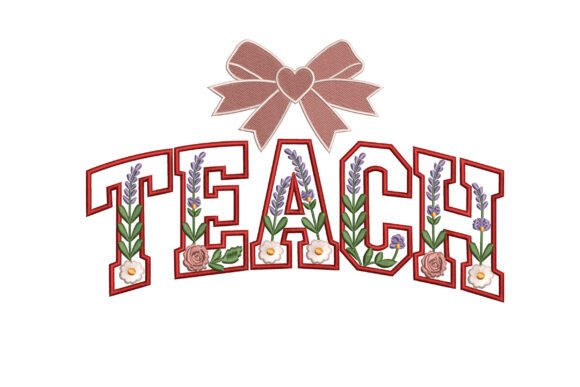
My immediate reaction to the Teach Floral Bow is that it strikes a delicate balance between nostalgic school aesthetics and modern farmhouse charm. It does not feel stiff or overly academic; instead, the floral integration softens the traditional bow silhouette, making it approachable for a wider demographic. For a craft fair booth, this is crucial. You need items that catch the eye of both parents shopping for back-to-school gear and customers looking for cute, general home decor.
The description mentions "vibrant and imaginative flair," which suggests the digitizing likely utilizes varied thread colors and perhaps some decorative stitches within the floral elements. From a distance, this creates texture that flat screen-printed graphics simply cannot match. As a small shop product, this design reads as premium because of that tactile quality. It feels intentional and artistic rather than generic, which justifies a higher price point on finished goods like embroidered patches or custom apparel.
Best-Selling Applications for Weekend Markets
Not every embroidery file performs equally across all substrates. Based on the motif's size and aesthetic, here is where I would deploy the Teach Floral Bow for maximum return on investment:
- Teacher Appreciation Tote Bags: This is the primary revenue driver. The bow motif centers beautifully on canvas totes. It serves as a focal tote bag design that identifies the wearer’s profession without being cliché. Canvas provides a stable base that allows the floral details to pop.
- Kitchen and Tea Towels: Flour sack towels are a craft fair staple. The Teach Floral Bow works exceptionally well here as tea towel embroidery because the lightweight fabric doesn't distort easily under moderate stitch density. These make excellent impulse-buy gifts.
- Cross-Back Aprons: For apron embroidery, placement is key. This design should be centered on the chest bib rather than the lower skirt. The vertical orientation of a bow complements the apron straps, creating a cohesive look that photographs well for social media marketing.
- Embroidered Patches: If you have a serger or satin stitch edge capability, converting this into an embroidered patch expands your inventory without requiring bulky blanks. Patches allow customers to customize their own denim jackets or pencil cases, increasing engagement at your booth.
Production Practicality and Booth Display Strategy
When running a commercial embroidery business, time is money. I evaluate the Teach Floral Bow based on its repeatability. Does it require constant thread changes that slow down batch production? If the design uses too many isolated color blocks, it may not be viable for high-volume market prep. However, if the florals blend naturally into the bow structure, it allows for efficient stitching sequences.
For booth displays, variety creates visual interest. I recommend stitching out samples in three distinct colorways: a classic navy and red for traditional school vibes, a sage green and blush pink for the modern farmhouse crowd, and a monochrome white-on-black for a premium, minimalist option. This demonstrates the versatility of the digital embroidery file to potential buyers. Furthermore, having a printable mockup next to your physical samples helps customers visualize the design on products you don't have in stock, potentially securing custom orders for post-market fulfillment.
Critical Technical Considerations for Makers
While the Teach Floral Bow is visually appealing, experienced embroiderers know that pretty files can still cause production headaches. Before listing this as a handmade product, you must address specific technical constraints:
Fabric Texture and Stabilizer Choices
The description encourages embellishing towels, but textured terry cloth is the enemy of fine floral details. If you are using this for tea towel embroidery on plush fabrics, you must use a water-soluble topping. Without it, the stitches will sink into the pile, and the delicate flower petals will disappear. For caps, ensure your hoop size accommodates the curve without distorting the bow's symmetry. Curved surfaces often flatten out designs, so test on a scrap cap first.
Stitch Density and Small Details
Inspect the stitch density before committing to dark fabrics. Dense fill stitches on dark material can lead to puckering or needle breaks if the stabilizer is insufficient. Conversely, if the floral accents rely on tiny running stitches, they may vanish on coarse linen. Always verify that the smallest details remain legible at your intended size. Scaling down a complex design often results in thread buildup and lost clarity. If the original file is large, do not assume it will shrink perfectly for a pocket-sized application.
Thread Contrast and Photography
For Etsy sellers, photography is everything. The Teach Floral Bow needs high contrast to translate well in thumbnails. Pastel threads on white fabric often look washed out in photos. When creating design assets for your listings, choose thread colors that photograph distinctly. Additionally, check your commercial licensing terms before selling. Ensure you have the right to sell finished products derived from this digital embroidery file, especially if you plan to scale beyond local markets.
Enhancing Brand Value Through Design Selection
Choosing the right machine embroidery design is about more than just filling hoops; it is about curating a brand identity. The Teach Floral Bow offers a unique advantage because it bridges two massive niches: education and cottagecore aesthetics. This duality allows creative entrepreneurs to maximize their reach during peak seasons like August and September while maintaining relevance year-round as a general decorative motif.
From a customer psychology perspective, this design evokes warmth and care. In a sea of mass-produced merchandise at a craft fair, a thoughtfully placed, well-executed floral bow signals "handmade quality." It tells the buyer that the maker chose a design with intention. Whether applied to pillow covers, fabric pouches, or giftable handmade items, the emotional connection drives sales faster than technical perfection alone.
Final Designer Recommendations
Before loading the Teach Floral Bow into your machine for a full production run, follow this checklist:
- Test Stitch: Never skip this. Use the exact fabric and stabilizer combination planned for the final product.
- Verify Specs: Confirm the hoop size, stitch count, and format compatibility with your specific machine brand.
- Check Licensing: Review the designer’s terms regarding commercial use of finished products versus selling the digital file itself.
- Create Mockups: Generate at least one realistic printable mockup for online listings to reduce customer hesitation.
- Batch Strategically: Group similar fabric types and stabilizers together to minimize changeover time during production.
The Teach Floral Bow has strong potential to be a bestseller for school-themed and home decor collections. By respecting the technical requirements of machine embroidery and leveraging its cross-niche appeal, craft fair sellers and boutique makers can turn this delightful design into tangible profit. Remember, successful selling is equal parts beautiful digitizing and smart production planning. Happy stitching!