Street Varsity Number -1: A Craft Fair Review
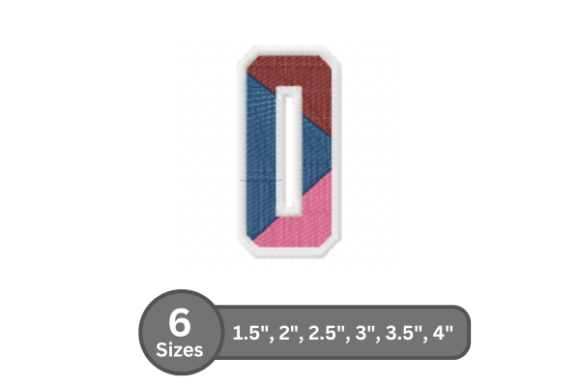
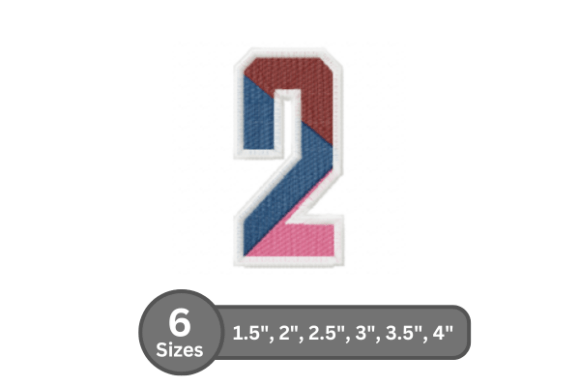
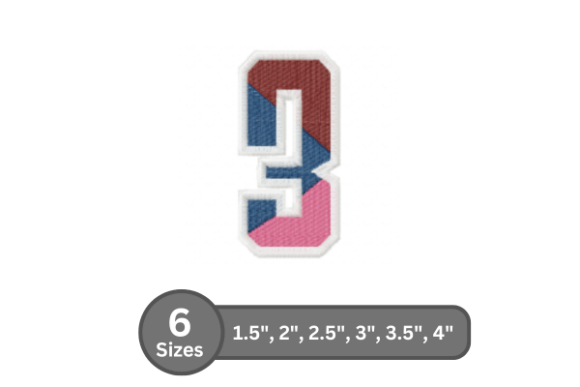
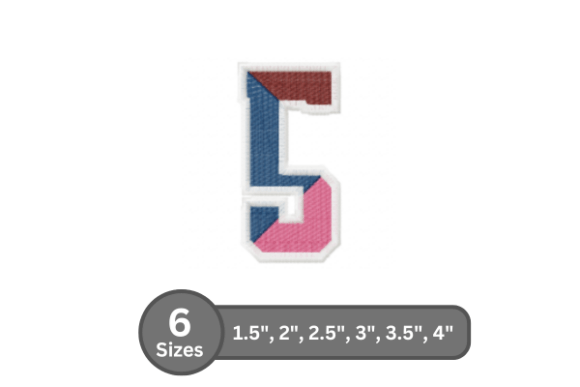
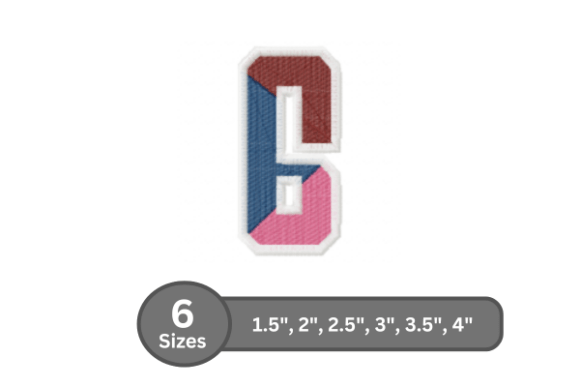
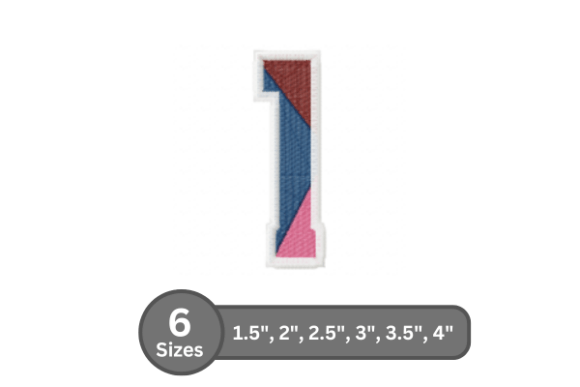
As an experienced embroidery designer preparing for a busy weekend craft fair, I approach every new digitization with a critical eye. It is not enough for a design to simply look good on a computer screen; it must perform under the needle and appeal to shoppers browsing a crowded booth. When evaluating the Street Varsity Number -1, I am looking for versatility, production efficiency, and that specific aesthetic that turns a passerby into a customer. This machine embroidery design of the alphabet letter in a stylish stitched font offers a distinct collegiate vibe that bridges the gap between nostalgic school spirit and modern streetwear. For handmade shop owners and Etsy sellers, this design represents a high-potential asset for personalization, but its success depends entirely on strategic application and technical execution.
First Impressions: Bold Nostalgia Meets Modern Street Style
My immediate reaction to Street Varsity Number -1 is that it feels undeniably bold yet approachable. Unlike traditional block letters that can appear stiff or overly athletic, the "stylish stitched font" description suggests a softer, more decorative interpretation of the varsity aesthetic. This is crucial for craft fair products because it widens your demographic. While a standard athletic number might only appeal to sports fans, this stylized version appeals to boutique makers targeting customers who love farmhouse decor, vintage academia, and trendy personalized gifts.
The design strikes a balance between premium and playful. It does not feel like a cheap clip-art digitization; rather, it carries the weight of intentional design. For a booth display, this means the number reads clearly from a distance. Shoppers walking down the aisle can instantly identify the style without needing to squint at tiny details. This visual clarity is the first step in securing a sale at a market. The stylistic choice implies a level of handmade quality that justifies a higher price point compared to mass-produced alternatives.
Top Performing Products for Market Sales
When planning my inventory, I categorize designs by their best-selling substrate. Street Varsity Number -1 is exceptionally versatile due to its multiple sizes, but certain products will yield a higher return on investment for small shop product lines.
- Tote Bag Design: This is arguably the strongest application. Canvas totes provide a stable, flat surface that showcases the stitch texture beautifully. Using a large size of this number as a focal point creates an instant bestseller for students, teachers, and moms. The contrast of thread colors against natural canvas makes the design pop in photos and in person.
- Apron Embroidery: For the culinary or crafting niche, placing this number on an apron pocket or chest area adds a personalized, professional touch. It transforms a generic utility item into a bespoke gift. The stylish font ensures it looks appropriate for both home kitchens and commercial barista stations.
- Tea Towel Embroidery: Kitchen textiles are craft fair staples. This number works well as a monogram-style identifier for family members or as a decorative element on holiday-themed towels. However, fabric texture matters here; choose smooth flour sack towels over waffle weave to maintain stitch definition.
- Embroidered Patches: Creating standalone patches allows you to sell the design as an add-on or accessory. Because the font is stylish, these patches appeal to denim jacket customizers and scrapbookers alike. They are also excellent for utilizing leftover stabilizer and thread scraps during batch production.
- Caps and Headwear: While caps are profitable, they present challenges. The curved surface requires careful hooping. If the design includes intricate fill stitches, test it first. A simpler satin outline version of Street Varsity Number -1 may perform better on caps than a dense filled version.
Production Practicality and Booth Display Strategy
For creative entrepreneurs, time is money. A digital embroidery file is only valuable if it runs smoothly and photographs well. Street Varsity Number -1 appears optimized for batch production, which is essential when stocking up for a weekend market. The ability to scale the design means I can use the same hoop size for various projects, reducing changeover time between tote bags and pouches.
From a sales perspective, this design enhances booth display strength. Grouping items by number or color creates a cohesive visual merchandising strategy. Imagine a wall of tea towels featuring sequential numbers, or a basket of pouches with initial monograms. This encourages customers to buy multiples. Furthermore, the design translates exceptionally well to printable mockups for Etsy listings. Clean lines and distinct shapes render sharply in digital previews, helping online buyers visualize the finished product before purchasing.
However, repeatability relies on consistency. As a designer, I always verify that the stitch density remains balanced across different sizes. A design that looks perfect at 4 inches might become too dense at 2 inches, causing needle breaks or fabric puckering. Always check the technical specifications of the embroidery file before committing to a production run.
Critical Technical Considerations and Careful Use Notes
Even the most beautiful machine embroidery design has limitations. When working with Street Varsity Number -1, keep these practical constraints in mind to avoid wasted materials and unhappy customers.
- Dense Stitch Areas: Varsity styles often involve layered fills. On thick fabrics like fleece or heavy canvas, excessive density can cause tunneling. Adjust your tension or use a lighter weight bobbin thread if necessary.
- Fabric Texture Compatibility: Avoid highly textured surfaces like terry cloth or boucle unless you use a water-soluble topping. The stylish details of the font will get lost in the pile, making the number look muddy.
- Small Size Legibility: While the design comes in multiple sizes, be cautious when scaling down below 1.5 inches. Intricate serifs or internal stitching may merge. Always sew out a test sample at the smallest intended size to confirm clarity.
- Thread Contrast: This design relies on visual impact. Low-contrast combinations (e.g., navy thread on black fabric) will fail at a craft fair where lighting is variable. Opt for high-contrast thread colors to ensure the number is readable from three feet away.
- Stabilizer Selection: Do not skimp on stabilization. For stretchy knits or lightweight cottons, use a cut-away stabilizer to prevent distortion. The structural integrity of the letter depends on a stable foundation.
Designer’s Checklist for Commercial Success
Before listing any finished product derived from Street Varsity Number -1, run through this professional checklist. These steps separate hobbyists from viable businesses.
- Verify Licensing: Confirm that your purchase includes commercial rights for selling physical embroidered goods. Never assume a digital embroidery file permits unlimited sales without checking the designer's terms.
- Create Real Mockups: Digital renders are useful, but nothing beats a photo of the actual stitched item. Customers trust real-life texture. Photograph the design on the exact fabric you intend to sell.
- Test on Scrap Fabric: Never run a new design directly on a sellable product. Test stitch density, spacing, and hoop size on a scrap of the same material first.
- Inspect Stitch Density: Use your embroidery software to review the density map. Ensure there are no red-flag areas that could damage delicate fabrics or break needles during high-speed production.
- Confirm Hoop Size: Ensure your chosen hoop accommodates the largest version of the design with adequate margin. Running a design too close to the hoop edge increases the risk of registration errors.
Street Varsity Number -1 is more than just a letter; it is a foundational building block for a diverse product line. By respecting the technical requirements and leveraging its stylistic versatility, embroidery business owners can turn this single design asset into a cornerstone of their craft fair and online sales strategy. Whether applied to a rugged tote bag or a delicate pillow cover, the key lies in thoughtful execution and understanding what your specific customer base values in a handmade product.