Groovy Floral Book Stack: A Designer’s Review
When evaluating a new machine embroidery design for my shop, I look beyond the digital preview. I need to know how it behaves under the needle and whether it will actually sell as a finished product. The Groovy Floral Book Stack immediately caught my eye because it taps into two enduring trends: the cozy academic aesthetic and retro nostalgia. However, as an experienced embroiderer, I know that a cute screen image does not always translate to a clean stitch-out. After testing this design for a custom tote bag project intended for a local library fundraiser, I have some practical insights for fellow makers, Etsy sellers, and apparel decorators considering adding this to their digital assets.
First Impressions and Visual Personality
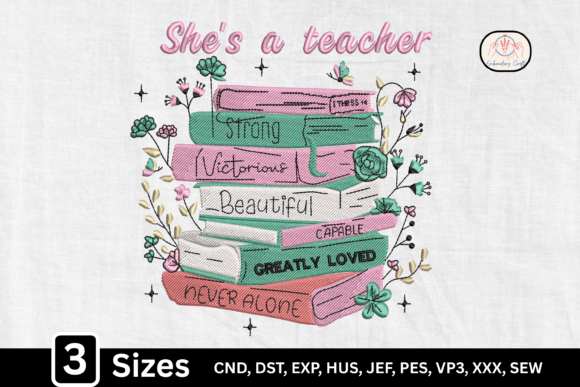
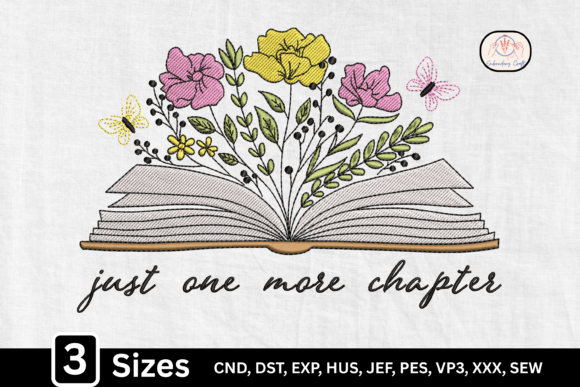
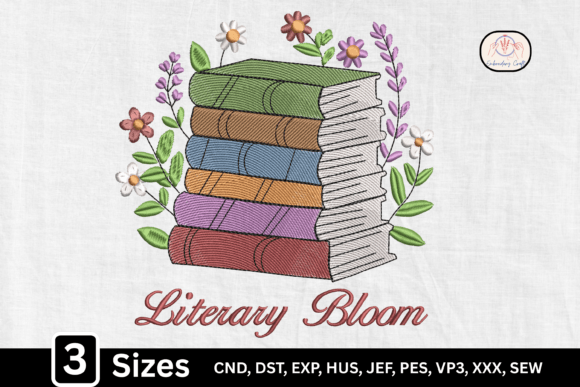
The Groovy Floral Book Stack strikes a specific mood that feels both vintage-inspired and fresh. It isn't just a pile of books; the integration of sweet flowers and greenery softens the geometric lines of the spines, creating a balanced composition. For those in the School category or selling to educators, librarians, and students, this design avoids looking too juvenile or overly sterile. It has a whimsical, handmade quality that appeals to adults who love reading and cottagecore aesthetics.
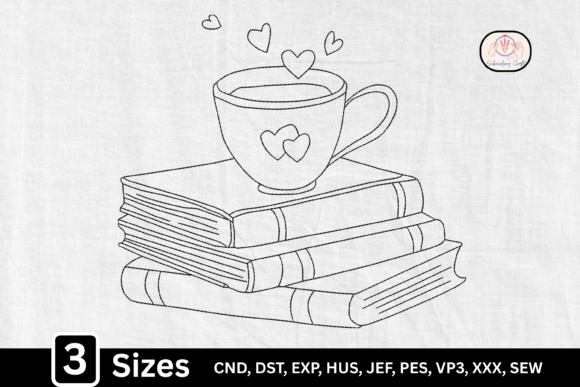
From a technical design perspective, the layout is compact but detailed. The mix of colorful stacked books suggests multiple thread changes, which can be a pro or a con depending on your production speed. The floral elements likely utilize a combination of satin stitch for definition and fill stitch for coverage, while the book details may rely on running stitch for texture. This variety keeps the embroidery from looking flat, but it also demands careful attention to stitch density and registration during the digitizing process.
Real-World Application: The Library Tote Test
I decided to test the Groovy Floral Book Stack on a natural canvas tote bag, a staple item for any craft business or small shop product line. Canvas is generally forgiving, but its woven texture can sometimes swallow fine details. My goal was to create a personalized gift that felt boutique-quality rather than mass-produced.
During the stitch-out, I paid close attention to how the design handled the fabric texture. The books required solid coverage to prevent the canvas grain from showing through, while the flowers needed enough openness to remain soft and flexible. If a design is too dense on a tote bag, it creates a stiff, bulletproof patch effect that ruins the drape of the bag. Fortunately, this design seems to balance coverage with flexibility, making it suitable for functional items like tote bags, aprons, and tea towels where hand-feel matters.
For commercial embroidery projects, this versatility is key. I can easily envision this design working equally well on sweatshirt embroidery for a fall collection or as a cheerful accent on baby embroidery for a nursery theme. The retro vibe translates across demographics, allowing you to maximize the ROI of a single embroidery file across multiple product categories.
Navigating Fabric Choices and Technical Constraints
While the Groovy Floral Book Stack is versatile, it requires strategic planning regarding fabric choice and hoop size. Not every surface is ideal for this level of detail.
- Stretchy Fabrics: If you are applying this to t-shirts or lightweight knits, you must use appropriate stabilizer. The weight of the stacked books and florals could cause puckering or distortion if the fabric isn't properly supported. A cut-away stabilizer is usually safer than tear-away for designs with this much color and complexity.
- Textured and Dark Fabrics: On high-pile fabrics like terry cloth or fleece, fine details in the book spines or flower petals might get lost. You may need to adjust the underlay or increase stitch length slightly. Similarly, on dark fabrics, ensure your thread colors have enough contrast against the background so the vintage palette doesn't look muddy.
- Curved Surfaces: Be cautious when using this as cap embroidery. The rectangular nature of stacked books can distort on a curved brim. This design is best suited for flat surfaces like pillow covers, patches, or garment backs.
- Small Hoop Sizes: Always verify the minimum hoop size before purchasing. Reducing a complex design like this too much can result in thread breaks and poor registration. If you need a smaller version for baby clothes, check if the designer offers a specifically redigitized size rather than shrinking the original file yourself.
Commercial Viability for Makers and Sellers
For Etsy sellers and creative entrepreneurs, the Groovy Floral Book Stack offers strong visual appeal for listings. The "groovy" keyword aligns with current search trends, and the imagery is distinct enough to stand out in a crowded marketplace. When creating printable mockups or digital product previews, the vibrant colors and recognizable theme help customers instantly understand the vibe of the finished product.
However, professionalism comes from execution. Before listing any custom apparel or handmade products featuring this design, run a test stitch-out. Check the thread color contrast in natural lighting, not just under your machine lamp. Inspect the transitions between the books and the greenery; these junction points are where alignment issues often appear. A misaligned outline can make even the most beautiful embroidery file look amateurish, damaging customer trust and brand consistency.
If you plan to use this for holiday embroidery or back-to-school promotions, consider how it pairs with personalization. Is there space to add a name or year without overcrowding the design? The negative space around the stack is crucial for customization. If the design fills the entire hoop, it limits your ability to offer personalized gifts, which are often the highest-margin items in a craft business.
Essential Pre-Stitch Checklist
To ensure success with the Groovy Floral Book Stack, treat your preparation phase as seriously as the stitching itself. Here is my recommended workflow for integrating this design into your production line:
- Verify Licensing: Before selling finished items or using the design in commercial branding, confirm the license terms. Ensure you are permitted to sell physical products embroidered with this file.
- Test on Scrap Fabric: Never stitch directly onto a final product first. Use a scrap piece of the exact fabric and stabilizer combination you intend to use for the order.
- Evaluate Stabilizer Needs: Match the stabilizer weight to the design density and fabric type. Heavier designs on lighter fabrics require more support.
- Check Thread Inventory: Retro palettes often use specific shades of mustard, teal, or dusty rose. Confirm you have adequate yardage before starting a batch run to avoid mid-project substitutions that alter the aesthetic.
- Review Stitch Density: If you are digitizing or editing the file, ensure the density is appropriate for your target fabric. Too dense causes stiffness; too sparse allows fabric show-through.
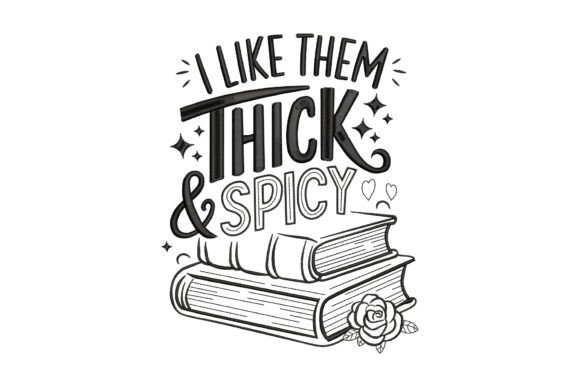
- Mockup Validation: Create black and white mockups alongside color versions. This helps you see value contrast and ensures the design reads clearly even without color differentiation.
Final Thoughts on Design Integrity
The Groovy Floral Book Stack is more than just a seasonal novelty; it is a solid design asset for makers who appreciate retro charm and literary themes. Its strength lies in its emotional connection to reading and learning, making it perfect for school-related merchandise, teacher appreciation gifts, and cozy home decor. By respecting the technical requirements of machine embroidery and testing thoroughly on your chosen substrates, you can transform this digital file into a profitable, professional-grade finished product. Remember, the quality of your stitch-out reflects directly on your brand, so take the time to let this design shine exactly as intended.