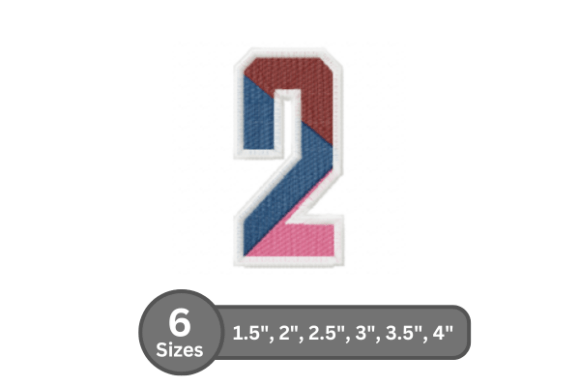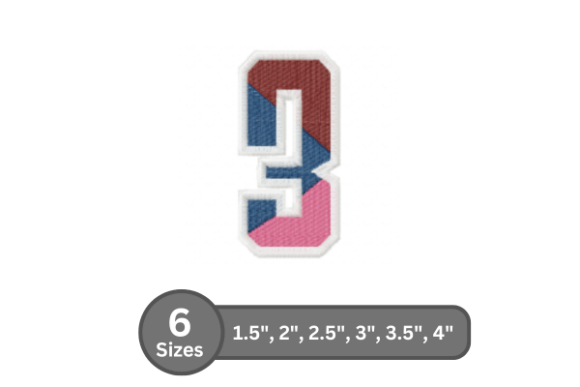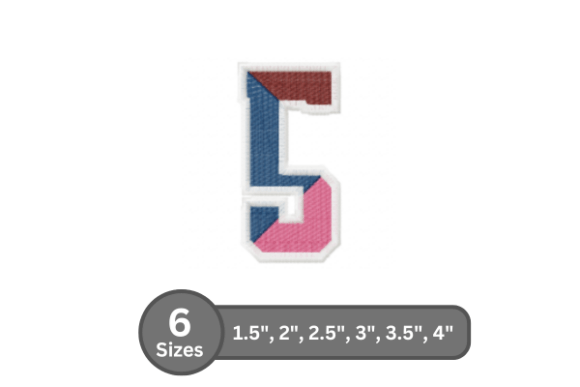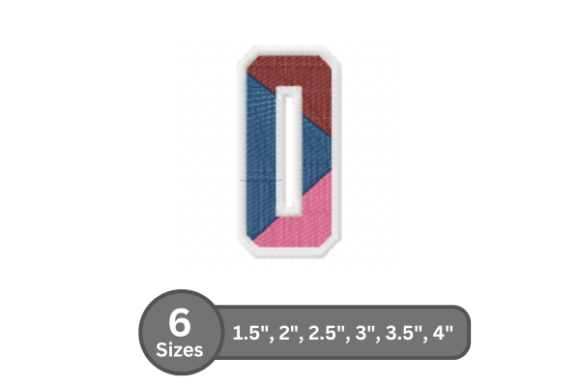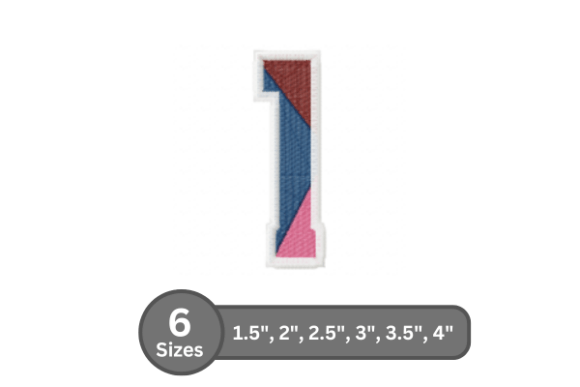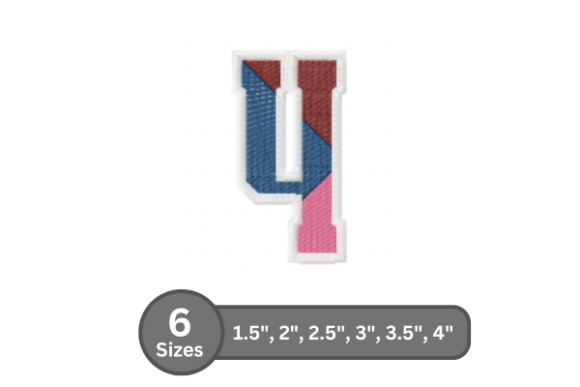
Street Varsity Number -4: A Designer’s Stitch Test
When sourcing typography for custom apparel or school merchandise, the difference between a generic digitization and a professional-grade asset is immediately apparent upon hooping. As a designer who regularly evaluates machine embroidery design files for both client work and my own Etsy seller listings, I approach every new font with a critical eye. The Street Varsity Number -4 is not merely a digitized character; it is a stylistic statement that carries specific weight, nostalgia, and structural requirements. Before loading this embroidery file into your machine for a production run, it is vital to understand how its varsity aesthetic translates from screen to fabric.
First Impressions and Visual Personality
My initial assessment of Street Varsity Number -4 focuses on its silhouette and intended mood. Varsity typography inherently communicates tradition, athletics, and academic pride. This specific iteration captures that classic "School" spirit without feeling dated or overly rigid. The shape possesses a confident stance, with balanced serifs and consistent stroke widths that suggest it was digitized with stitch physics in mind rather than just auto-traced from a vector image.
For a handmade product, visual clarity is paramount. This number features distinct negative space and bold positive forms, which is excellent for readability at a distance. However, the "street" modifier in the title implies a slightly more relaxed, perhaps textured or distressed edge compared to pristine collegiate block letters. This personality makes it ideal for sweatshirt embroidery or vintage-style tote bag design projects where perfection isn't the goal, but authentic character is. It feels less like a uniform identifier and more like a fashion-forward decorative element.
Real-World Application: The Custom Sweatshirt Test
To truly evaluate utility, I mentally placed Street Varsity Number -4 into a current project scenario: creating a line of personalized graduation sweatshirts for a local boutique. In this context, the number serves as the primary focal point, likely paired with a smaller year or name.
On a heavyweight cotton fleece sweatshirt, this design performs exceptionally well. The fabric provides a stable foundation that supports the likely stitch density required for such a bold form. If the design utilizes a satin stitch border with a fill stitch interior, the texture of the fleece helps mask any minor registration shifts, giving the finished piece a high-quality, retail-ready appearance. For an Etsy seller or small shop product creator, this means fewer rejects and higher customer satisfaction.
However, if applying this to a lighter jersey knit t-shirt, caution is necessary. The weight of the thread in a large varsity number can cause puckering on thin fabrics. In this real-life application, I would recommend testing a lightweight cutaway stabilizer specifically designed for knits to maintain the integrity of the garment while allowing the Street Varsity Number -4 to sit flat and crisp. This practical adjustment ensures the personalized gift remains wearable and comfortable, not stiff and board-like.
Navigating Fabric Textures and Hoop Constraints
Versatility is promised in the product description, but as experienced makers know, versatility depends entirely on substrate selection. While Street Varsity Number -4 comes in multiple sizes, scaling introduces variables that must be managed.
- Textured Fabrics: On terry cloth towels or corduroy, the intricate details of a varsity font can get lost. If using this for holiday embroidery on stockings or kitchen linens, consider using a water-soluble topping to prevent stitches from sinking into the pile. This preserves the sharp edges essential to the varsity look.
- Stretchy Performance Wear: Athletic wear is a natural home for this style, but it is also the most difficult to embroider. Always test on scrap performance fabric first. The combination of stretch and dense stitching can lead to tunneling. Using a fusible poly-mesh stabilizer is often non-negotiable here to keep the Street Varsity Number -4 from distorting when the garment is worn.
- Small Hoop Sizes: When resizing down for baby onesies or sleeve cuffs, verify that the internal counters (the open spaces within the number 4) remain open. Overly aggressive shrinking can cause satin columns to merge, turning a stylish number into an unrecognizable blob. Always check the minimum recommended size for the specific digital embroidery file you possess.
- Curved Surfaces: If adapting this for caps or curved tote bags, ensure the digitization accounts for pull compensation. Flat-digitized varsity numbers can appear distorted when wrapped around a cylindrical hoop. A test stitch-out on a cap blank is the only way to confirm alignment before committing to a full production run.
Commercial Viability and Brand Consistency
For those running a craft business or selling design assets, consistency builds trust. Street Varsity Number -4 offers a cohesive aesthetic that pairs beautifully with other varsity alphabet sets or collegiate motifs. When creating printable mockups for your online store, ensure the digital representation matches the actual stitch-out texture. Customers appreciate seeing realistic previews that show thread sheen and dimension rather than flat vectors.
This design also holds significant value for commercial embroidery services fulfilling team orders. Its bold nature allows for high visibility, which is crucial for sponsor logos or player numbers. Because it is designed for personalization, it adapts well to various thread colors. High contrast combinations—like white thread on navy fabric or gold on black—maximize legibility and perceived value. Conversely, low-contrast tone-on-tone stitching creates a subtle, premium effect suitable for boutique branding or adult fashion items where loud school spirit isn't the objective.
Essential Pre-Stitch Checklist for Makers
Before listing a finished product featuring Street Varsity Number -4 or delivering a client commission, run through this practical verification list. These steps separate hobbyist results from professional outcomes.
- Verify Licensing: Confirm whether your purchase includes commercial rights for selling physical goods versus digital files. This distinction is critical for Etsy sellers and apparel decorators avoiding copyright issues.
- Test Stitch Density: Run a sample on your target fabric. If the design feels bulletproof or stiff, it may be too dense for that specific material. Consider editing the fill pattern or reducing density if necessary for comfort.
- Check Color Contrast: View your thread selection against the fabric in natural light. Varsity fonts rely on edge definition; poor contrast kills the visual impact.
- Inspect Small Details: After stitching, examine the corners and serifs. Are they sharp? Is there fraying? Adjust tension or needle size if the execution lacks the crispness the design demands.
- Validate Washability: If creating baby embroidery or frequently washed items, perform a wash test. Ensure the stabilizer dissolves completely and the stitches don't pucker after laundering.
- Mockup Accuracy: When using this for digital product previews, overlay a realistic stitch texture. Misleading customers with vector art when selling embroidered goods leads to returns and negative reviews.
Final Thoughts on Design Integrity
Street Varsity Number -4 represents a solid addition to any embroiderer's library, particularly those focused on scholastic, athletic, or retro-inspired markets. Its strength lies in its ability to evoke immediate recognition and nostalgia while remaining adaptable to modern fashion contexts. Whether you are stitching a senior class sweatshirt, personalizing a nursery blanket, or creating branded merchandise for a local event, success depends on respecting the technical relationship between the digitization and the substrate.
Treat this embroidery project with the same preparation you would give any professional commission. By understanding its behavior on different fabrics, acknowledging its sizing limitations, and verifying its commercial suitability, you transform a simple digital file into a tangible asset that drives sales and satisfies clients. The versatility mentioned in the product description is real, but it is unlocked only through informed, intentional application by the maker.