Bookish: A Designer’s Review for Real Projects
As an embroidery designer who has stitched out thousands of files for both personal joy and commercial client work, I approach every new machine embroidery design with a healthy dose of skepticism. We have all purchased files that looked stunning on screen but turned into thread nests or distorted shapes once the needle hit the fabric. When evaluating "Bookish," a playful design categorized under School themes, my primary concern is not just its whimsical aesthetic, but its structural integrity in real-world applications. This review breaks down how this design actually performs when you move from the digital preview to the hoop, specifically for makers, Etsy sellers, and apparel decorators looking to add genuine value to their product lines.
First Impressions and Visual Personality
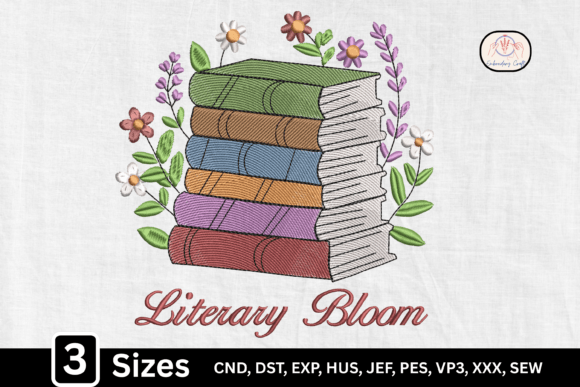
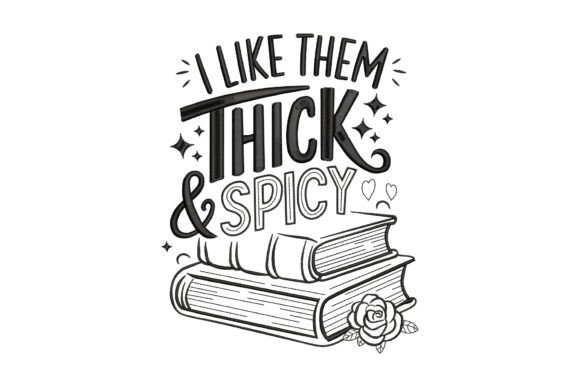
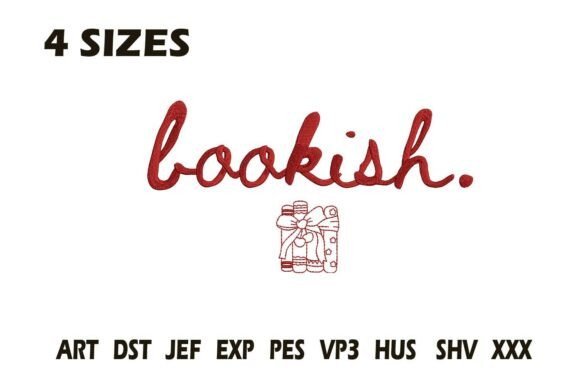
At first glance, Bookish captures a specific nostalgia that resonates deeply with current market trends. The layout suggests a balance between intricate detail and readable silhouettes, which is crucial for custom apparel and home decor. Unlike generic clip-art style embroidery, this design possesses a visual weight that feels intentional. For a handmade product, the mood is everything; customers are buying the feeling of cozy academia or playful learning as much as they are buying the stitched item itself.
However, visual appeal on a monitor does not guarantee stitch-out success. My immediate assessment focuses on the transition points between elements. Does the design rely too heavily on dense satin stitch columns that might pucker lightweight fabrics? Is there enough running stitch detailing to define the shapes without creating excessive perforation lines? Bookish appears to strike a commendable balance, offering enough personality to stand alone on a tote bag or sweatshirt while remaining versatile enough to pair with personalized text or names.
Real-World Application: The Custom Tote Bag Test
To truly evaluate this embroidery file, I mentally placed it in a recent commission scenario: a batch of canvas tote bags for a local library fundraiser and a separate line of teacher appreciation gifts for my Etsy shop. Canvas is unforgiving; it highlights tension issues and demands precise stabilization. In this context, Bookish shines as a centerpiece tote bag design. The playful nature fits the "bookish" theme literally, but the execution ensures it doesn't look juvenile. It bridges the gap between adult readers and school-aged children, making it a high-value asset for small shop product listings that target a broad demographic.
For sweatshirt embroidery, specifically on fleece or French terry, the design’s density becomes the deciding factor. Fleece tends to swallow fine details. If Bookish utilizes adequate underlay and appropriate stitch density, it will sit atop the fabric nap rather than sinking into it. Based on the design's structure, it appears suitable for mid-weight garments, provided you use a cutaway stabilizer to prevent the playful elements from warping after washing. This durability is non-negotiable for commercial embroidery where customer trust hinges on the longevity of the finished piece.
Navigating Fabric Limitations and Hoop Constraints
While Bookish is versatile, no digital embroidery file is immune to physics. Makers must be strategic about where this design lives. I would exercise caution when applying this to performance wear or thin, stretchy knits. Playful designs often contain decorative accents or varying stitch directions that can cause tunneling on unstable fabrics. If you are determined to use this on a t-shirt, verify the hoop size requirements first. Over-hooping a large design on a small garment area leads to distortion, while under-hooping risks registration errors.
Textured fabrics like terry cloth towels present another challenge. While the product description mentions towels as a perfect application, practical experience dictates using a water-soluble topping. Without it, the finer details of Bookish may get lost in the pile. Furthermore, if you are considering this for baby embroidery or items requiring frequent high-heat washing, inspect the design for long float stitches. These can snag on tiny fingers or unravel in industrial laundries. Always prioritize safety and durability over aesthetics when stitching for infants.
Elevating Product Value and Brand Consistency
For Etsy sellers and creative entrepreneurs, consistency builds brand recognition. Bookish offers a distinct style that can anchor a collection. When used across multiple products—perhaps as an embroidered patch on denim jackets, a centerpiece on nursery pillows, and an accent on kitchen tea towels—it creates a cohesive narrative. This cohesion increases perceived value. Buyers are more likely to purchase multiple items or return for future collections when they recognize a signature level of quality and thematic consistency.
The design also translates well to marketing assets. Before committing thread to fabric, test Bookish in black and white printable mockups. Does the silhouette hold up without color? If yes, it will be recognizable in thumbnail images on mobile devices, which is where most craft business sales originate. A design that relies entirely on color contrast to define its shape often fails in small listing photos. Bookish’s strong structural lines suggest it will maintain clarity in digital previews, driving higher click-through rates.
Critical Technical Notes for Makers
Before adding this to your next production run or holiday embroidery lineup, adhere to these professional best practices:
- Verify Specifications: Never assume compatibility. Check the exact stitch count, physical dimensions, and included file formats against your machine’s capabilities before purchasing. Licensing terms for design assets vary; confirm whether you can sell finished products or if the license restricts usage to personal projects only.
- Test Stitch is Mandatory: Even premium files behave differently on various machines. Run a test on scrap fabric identical to your final project. Pay attention to pull compensation and registration marks.
- Thread Color Strategy: Review the suggested thread colors but adapt them to your inventory. High-contrast variegated threads can sometimes muddy the details in complex areas; solid colors often provide cleaner definition for whimsical designs.
- Stabilizer Selection: Match your stabilizer to the fabric, not the design. Use tear-away for stable wovens and cut-away for knits. For personalized gift items like plush toys or uneven surfaces, consider adhesive sprays or sticky-back stabilizers to ensure the design stays centered.
- Mockup Validation: Create realistic mockups showing the design at actual scale. Customers need to understand the size relative to the garment or item. Misleading scale representations are a leading cause of returns in the handmade product space.
Final Verdict for Commercial and Personal Use
Bookish represents a strong contender for makers seeking to expand their school-themed or literary-inspired catalogs. Its strength lies in its ability to function as both a standalone statement piece and a complementary element in larger compositions. For the apparel decorator, it offers a fresh alternative to standard monograms. For the hobbyist, it provides a satisfying stitching experience with tangible results.
Ultimately, the success of any embroidery project depends on the maker’s understanding of their materials and tools. Treat Bookish not as a magic solution, but as a high-quality component in your broader creative workflow. By respecting the technical requirements of fill stitch areas, verifying licensing for commercial sale, and testing thoroughly on intended substrates, you transform a digital file into a profitable, professional finished product. Whether you are stitching for a boutique launch or a beloved teacher’s gift, this design has the potential to deliver charm that lasts far beyond the initial unboxing.