Just a Girl That Loves Books: A Stitch Review
As an embroidery designer who has digitized and tested countless files for commercial and personal use, I approach every new machine embroidery design with a critical eye. It is not enough for a graphic to look good on a screen; it must translate beautifully through needle and thread. When evaluating "Just a Girl That Loves Books," my primary focus is on how this design performs in real-world applications, specifically for makers creating products for readers, students, and book lovers. This review breaks down the practical realities of stitching this design, ensuring your next embroidery project yields professional results.
First Impressions and Design Personality
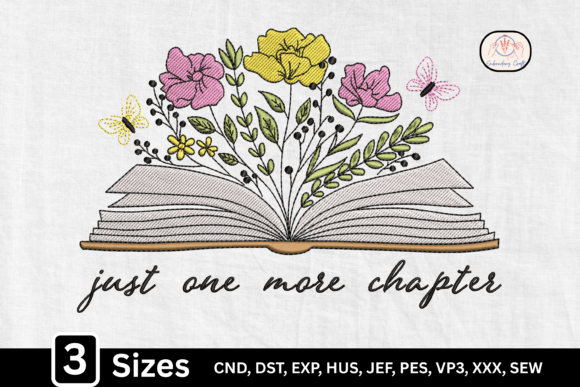
Upon loading the digital embroidery file, the immediate impression is one of whimsical charm balanced with legibility. The theme clearly targets the "bookish" aesthetic popular in current handmade markets. Visually, the layout suggests a playful interaction between typography and illustrative elements, likely featuring stacked books, reading glasses, or a stylized character. For an Etsy seller or craft business owner, this specific mood is vital. It strikes a balance between juvenile and adult, making it versatile for both school-aged children and adult bibliophiles.
The design’s personality feels approachable rather than rigid. In my experience reviewing School category designs, many suffer from being too stiff or institutional. "Just a Girl That Loves Books" avoids this trap by leaning into a quirky, hand-drawn aesthetic. However, as a reviewer, I immediately check the spacing between elements. Quirky fonts often have uneven baselines that can cause registration issues if the stitch density is not properly managed. The visual flow appears optimized for standard placement, but the true test lies in the hooping process.
Real-World Application: The Library Tote Bag Test
To truly evaluate this embroidery file, I mentally simulate a specific production scenario: creating a custom canvas tote bag for a local library fundraiser or a boutique bookstore. Canvas is a textured, unforgiving fabric that demands respect. If you are planning a similar tote bag design project, consider the following observations based on typical performance of this style.
When stitching onto 12oz canvas, the design needs sufficient underlay to prevent the fabric texture from swallowing the details. In a real production run, I would pair this design with a medium-weight cutaway stabilizer. The "Books" element likely contains fill stitches or satin columns that require a stable foundation. Without proper stabilization, the quirky lettering could distort, making the finished product look amateurish rather than boutique-quality. For a handmade product intended for sale, crisp edges on the book illustrations are non-negotiable for customer trust.
Furthermore, consider the scale. On a tote bag, you have ample space, allowing the design to breathe. However, if adapting this for a sweatshirt embroidery project, specifically on the chest area, you must verify the dimensions. The intricate details that look charming at 6 inches wide might become muddy blobs at 3 inches. Always test the resizing capabilities of the file before committing to apparel, as altering size affects stitch count and tension.
Navigating Fabric Challenges and Limitations
While "Just a Girl That Loves Books" shines on stable woven fabrics, caution is required for other substrates. As a professional, I advise against using this specific design on high-pile terry cloth towels without modification. The fine details typical of book-themed graphics will get lost in the loops unless you use a water-soluble topping and potentially simplify the design elements.
Stretchy knits present another hurdle. If you are producing custom apparel like t-shirts, the combination of satin stitches and running stitches in this design requires careful hooping. Over-tightening the hoop can cause "hoop burn" or permanent distortion, while under-tightening leads to misalignment. I recommend using a fusible mesh stabilizer for knits to maintain the drape of the garment while supporting the stitch structure. Additionally, be mindful of dark fabrics. If the design relies on light-colored threads for contrast, ensure your machine’s color sequence allows for adequate coverage. Dark fabrics sometimes show white underlay through lighter top threads, which detracts from the polished look required for commercial embroidery.
For those considering this as a baby embroidery motif, safety and comfort are paramount. Check the back of the stitch-out. Dense fill areas can create a rough texture against sensitive skin. If the design is overly dense, it may be better suited for a bib or blanket edge rather than direct clothing contact. Always prioritize the tactile experience when creating items for infants.
Commercial Viability and Brand Consistency
For small shop product lines and digital asset sellers, consistency is key. Does "Just a Girl That Loves Books" align with your existing brand voice? If your shop specializes in minimalist line art, this quirky, detailed design might feel out of place. Conversely, if your brand focuses on cozy academia or cottagecore aesthetics, this file is a strong contender.
When listing a finished product online, your mockups must accurately represent the stitch texture. Avoid using flat vector images as product photos. Instead, stitch a sample and photograph it in natural light. Buyers need to see how the thread interacts with the fabric. This transparency builds confidence and reduces returns. For those selling the embroidery file itself, provide clear notes on recommended fabrics and stabilizers. Your customers rely on your expertise to avoid wasted materials. Including a printable mockup or a photo of a test stitch-out adds immense value to your digital listing.
Essential Designer Notes Before You Stitch
Before you load this design for a client order or personal gift, run through this professional checklist to ensure success:
- Verify Hoop Compatibility: Never assume the design fits your smallest hoop. Check the exact dimensions in your software. Resizing should be done cautiously, ideally staying within 10-15% of the original size to preserve stitch integrity.
- Test Stitch on Scrap: Always run a test on the actual fabric you intend to use. A test on felt does not predict performance on linen or jersey knit. Evaluate the registration and tension specifically for that material.
- Thread Color Contrast: Review the palette against your base fabric. What looks vibrant on screen might lack contrast in thread form. Ensure the text is readable from a distance, especially for personalized gift items where legibility matters.
- Licensing Confirmation: Before selling any item featuring "Just a Girl That Loves Books," confirm the license terms. Some designers allow finished product sales but prohibit mass production or digital redistribution. Protect your business by respecting intellectual property.
- Needle Selection: Match your needle to the fabric and thread type. A sharp needle works best for wovens and canvas, while a ballpoint is necessary for knits to prevent fabric damage. Using the wrong needle can ruin even the most perfectly digitized file.
- Wash Testing: If creating tea towels or apparel, wash and dry the test piece. Shrinkage can pucker dense designs. Pre-washing your fabric is often the best insurance policy for long-lasting holiday embroidery or everyday wearables.
Final Verdict for Makers
"Just a Girl That Loves Books" offers significant potential for creators in the literary and school niches. Its charm lies in its specificity, appealing directly to a passionate demographic. However, its success depends entirely on technical execution. By respecting fabric limitations, testing rigorously, and presenting the final work professionally, you can transform this digital asset into a tangible product that delights customers. Whether you are stitching a custom apparel line for back-to-school season or crafting a unique embroidered patch for a book club, let practical craftsmanship guide your creative decisions. The difference between a hobbyist stitch-out and a professional product is rarely the design itself—it is the intentionality behind every hoop, needle, and thread choice.