Graduation Robe and Cap: An Embroidery Design Review
As an embroidery designer who frequently sources assets for commercial projects and Etsy listings, I approach every new machine embroidery design with a critical eye. When evaluating the Graduation Robe and Cap design from Creative Fabrica, my primary concern is not just how it looks on a screen, but how it translates to physical fabric under the needle. Academic milestones are significant events, and the merchandise commemorating them must reflect that importance through quality stitching and professional presentation. This review breaks down the practical application of this specific embroidery file for real-world production environments.
First Impressions and Visual Hierarchy
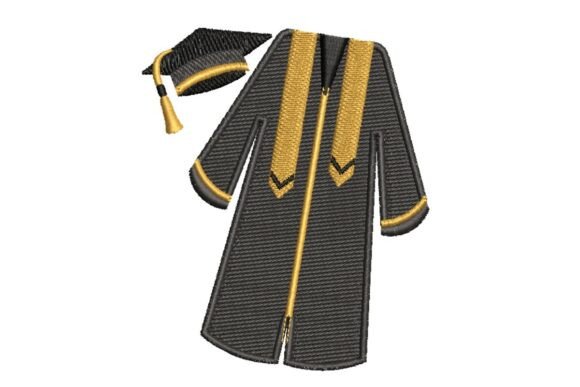
Upon loading the Graduation Robe and Cap into my digitizing software, the first thing I assessed was the visual balance. The design features a detailed graduation gown, which suggests a reliance on structured lines rather than chaotic fills. For a School category item, clarity is paramount. The silhouette needs to be instantly recognizable even from a distance or in a thumbnail image for an online listing. The design appears to utilize a combination of satin stitch elements for definition and fill stitch areas for the body of the robe. This mix is essential for preventing the design from becoming too heavy or bulletproof, which can distort lighter fabrics.
The mood of the design strikes a classic academic tone without feeling overly dated. It avoids excessive ornamentation that often causes registration issues in smaller hoop size formats. For designers creating custom apparel or keepsakes, this clean aesthetic allows for easy pairing with school colors, monograms, or class years. The negative space within the gown structure is particularly useful; it provides a natural area for adding personalized text without requiring complex editing or risking overcrowding the final handmade product.
Performance on Apparel and Accessories
I evaluated this Graduation Robe and Cap design specifically for use on sweatshirts and tote bags, two staples in the graduation niche. On fleece-backed sweatshirts, the challenge is always managing pile and stretch. Because this design likely contains defined edges, using a proper stabilizer is non-negotiable. I recommend a medium-weight cutaway stabilizer for sweatshirts to prevent the satin columns from pulling the knit fabric. If you are planning sweatshirt embroidery for bulk orders, test the tension first; the transition points between the cap brim and the gown body are where puckering typically occurs if the underlay is insufficient.
For tote bag design applications, specifically on canvas or cotton duck, this design performs differently. Canvas is stable but dense. Here, the concern shifts to needle penetration and thread contrast. A dark navy robe on a black tote will disappear unless you adjust thread colors or add a highlight outline. Conversely, on a natural cream canvas, the design pops beautifully but requires high-quality thread to avoid looking washed out. As a personalized gift, tote bags embroidered with this motif offer high perceived value because the design covers enough surface area to feel substantial without requiring an industrial-sized hoop.
Navigating Small Formats and Detail Retention
One of the most common requests I receive is for embroidered patch versions of graduation motifs or small left-chest logos. Scaling down the Graduation Robe and Cap requires careful scrutiny. You must verify the minimum recommended size listed in the Creative Fabrica embroidery product details. Reducing a design below its intended dimensions can cause satin stitches to become too narrow, leading to thread breaks or fraying.
If you intend to use this as a pocket-sized emblem on a polo shirt or baby bib, inspect the digital file for tiny running stitches or intricate shading that may not survive resizing. Sometimes, removing internal detail lines and relying solely on the outer silhouette yields a cleaner result at 2x2 inches. Always run a sew-out on scrap fabric that matches your final substrate weight before committing to a production run. This step is vital for maintaining brand consistency and avoiding wasted materials on failed commercial embroidery jobs.
Commercial Viability for Sellers and Makers
For Etsy sellers and boutique owners, the licensing and versatility of design assets directly impact profitability. Before listing any finished goods, confirm the specific license terms attached to this Graduation Robe and Cap file on the product page. Understanding whether you have rights for physical end products versus digital redistribution protects your business. Assuming appropriate commercial licensing, this design serves as a strong anchor for seasonal collections.
Photography plays a massive role in selling embroidered goods. The distinct shape of this cap and gown makes it excellent for printable mockup creation. Even before you stitch a single sample, you can create digital previews for social media marketing to gauge interest. However, nothing replaces the trust built by showing actual stitch-outs. When photographing the finished product, ensure lighting highlights the texture of the embroidery. Flat, direct flash flattens the dimensional quality of the satin stitch and fill stitch interplay. Natural side-lighting reveals the craftsmanship that justifies premium pricing.
- Product Value: Detailed academic imagery elevates simple blanks into commemorative heirlooms.
- Buyer Trust: Clean registration and appropriate stabilizer usage signal professional quality over amateur hobbyist work.
- Seasonal Relevance: This design has a concentrated peak season, making it ideal for limited-time offers and pre-orders.
- Versatility: Suitable for nursery decor, kitchen towels, and apparel, maximizing the ROI of a single digital embroidery file.
Technical Considerations and Best Practices
Successful execution of the Graduation Robe and Cap depends heavily on technical preparation. Do not assume the digitizer optimized the file for every possible fabric type. You are the operator, and your machine settings matter. Check the stitch density in your software. If the fill areas are excessively dense for the lightweight linen you plan to use for a pillow cover, reduce the density manually to prevent fabric distortion. Conversely, if stitching on terry cloth for a towel, you may need to increase density or add a topping to prevent the loops from poking through.
Thread color selection should be strategic. While standard black and gold are traditional, offering custom school color variations can significantly increase sales. Keep a reference chart of popular university palettes handy. When swapping colors in your machine, remember that different thread brands have varying sheens. A matte rayon might make the gown look somber, while a high-sheen polyester gives it a celebratory sparkle. Test these variations on scraps to see which best conveys the "Academic Achievement" mood promised by the design title.
Finally, always respect the integrity of the original artwork while adapting it for your specific needs. Whether you are creating a applique design variation to reduce stitch count on large back prints or keeping it as a traditional full-stitch emblem, the goal is a durable, attractive result. Review the file format compatibility with your specific machine before purchase. PES, DST, JEF, and EXP files all behave slightly differently regarding trim commands and jumps. Verifying these technical specifications ensures that the Graduation Robe and Cap becomes a reliable asset in your library rather than a troubleshooting headache.
In summary, this design offers strong potential for makers focused on the education and milestone market. Its success relies on your attention to stabilizer choice, fabric pairing, and respectful scaling. By treating this Creative Fabrica embroidery asset with professional rigor, you can produce custom apparel and gifts that genuinely honor the achievements they represent.