Chalk Split Number -3: A Seasonal Embroidery Review
As an embroidery designer preparing for the upcoming holiday rush, selecting the right typography is just as critical as choosing the perfect festive motif. When reviewing the Chalk Split Number -3 for my seasonal collection, I am looking for more than just legibility; I am searching for a digitized font that evokes nostalgia while maintaining structural integrity on various substrates. This fill stitch embroidery font has been carefully digitized for smooth stitching and professional results, making it a strong contender for personalizing clothing, bags, towels, and school-related items during the busiest shopping season of the year.
Capturing the Nostalgic Holiday Mood
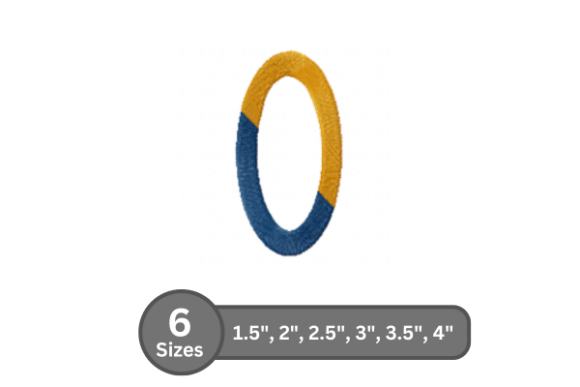
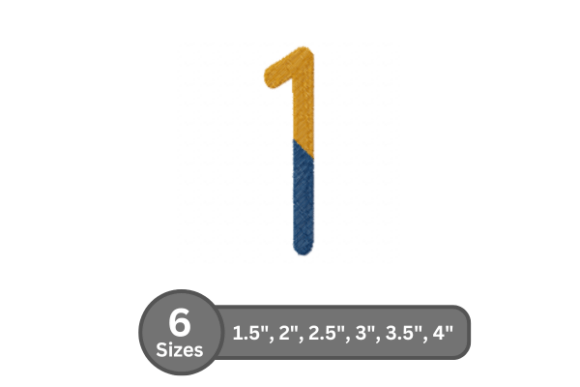
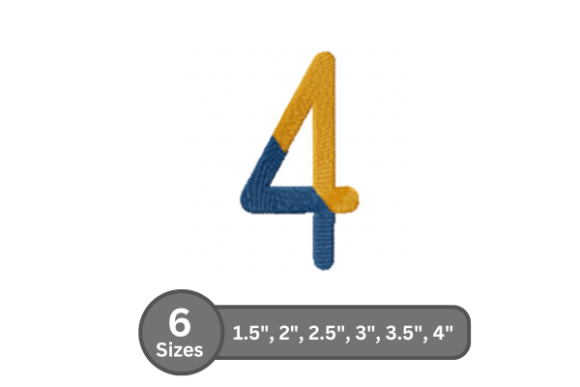
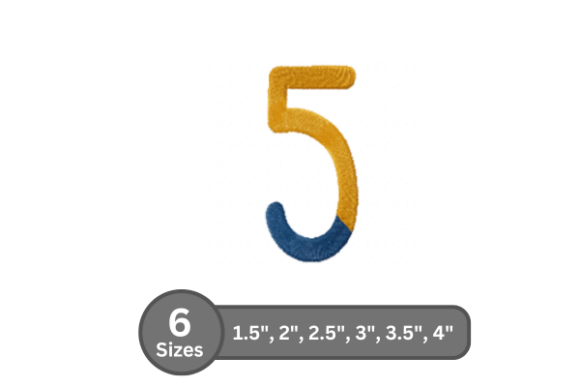
The first impression of Chalk Split Number -3 is undeniably rooted in vintage academia and cozy nostalgia. Unlike sharp, modern sans-serif fonts that can sometimes feel sterile during the holidays, this design carries a textured, hand-drawn aesthetic that mimics traditional chalkboard art. For an Etsy seller or small shop product creator, this emotional tone is invaluable. It bridges the gap between playful and elegant, making it suitable for both children’s holiday apparel and sophisticated home decor.
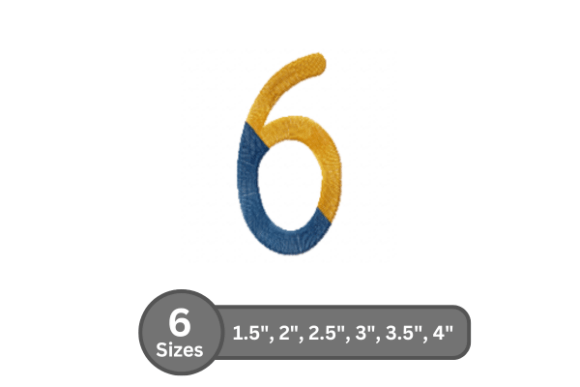
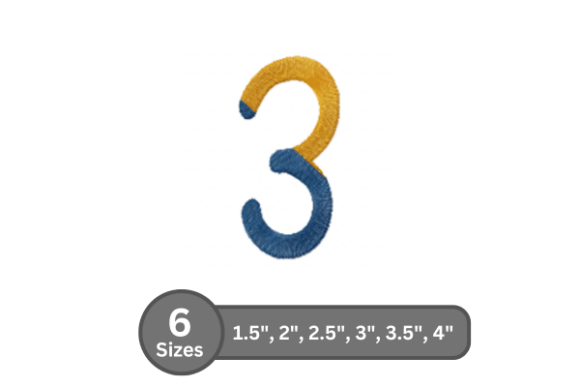
When planning a seasonal collection, the visual language must communicate warmth and tradition. The split effect in the number three adds a layer of decorative detail that suggests age and wear, which aligns perfectly with rustic holiday themes, farmhouse aesthetics, and retro-inspired gift bundles. As a machine embroidery design, it avoids the flatness of standard block letters, offering a tactile quality that enhances the perceived value of a handmade gift. Whether used for marking a "Class of 2023" ornament or denoting a table number at a holiday feast, the font sets a mood that feels curated rather than mass-produced.
Performance Across Seasonal Product Lines
In real-world holiday selling situations, versatility is key to maximizing return on investment for digital embroidery files. I have evaluated how Chalk Split Number -3 performs across several high-demand seasonal categories:
- Sweatshirt Embroidery: The fill stitch construction provides enough coverage to stand out against fleece and French terry fabrics without causing excessive puckering. It is ideal for large back prints featuring graduation years or family reunion dates.
- Kitchen Towel Embroidery: Holiday baking is a massive niche. This font reads beautifully on flour sack towels, where the split texture complements the natural fabric weave. It transforms a simple utility item into a personalized gift ready for hostesses.
- Tote Bag Design: For craft fair displays and market days, tote bags serve as walking advertisements. The bold nature of this number ensures visibility from a distance, while the stylistic flair keeps it aligned with artisan branding.
- Pillow Cover and Home Decor: Seasonal throw pillows often feature significant dates or monograms. The chalk style adds a soft, matte visual element that pairs well with velvet, linen, and cotton canvas textures common in winter decor.
- School and Graduation Items: Given its category classification, this font is a natural fit for senior countdown shirts, teacher appreciation gifts, and academic achievement patches released during the winter semester.
For commercial embroidery businesses, this font supports high-volume production because the digitization prioritizes smooth stitching. Fewer trims and jumps mean faster run times when fulfilling bulk orders for matching family pajamas or corporate holiday gifts.
Technical Considerations and Application Limits
While Chalk Split Number -3 is robust, experienced designers know that every embroidery file has limitations based on physics and fabric interaction. To maintain professional results during the holiday rush, specific precautions are necessary.
Fabric Texture and Stabilizer Choices
The split detail inherent in this design requires a stable foundation. On thick towels or plush fabrics, the texture of the material can compete with the split effect, potentially causing the design to look muddy. In these instances, using a water-soluble topping is non-negotiable to keep the stitches crisp. Conversely, on stretchy garments like knit caps or performance wear, the fill stitch density must be managed carefully. Always pair this design with appropriate cut-away stabilizer to prevent distortion during the holiday wash cycles that seasonal apparel inevitably endures.
Hoop Size and Scaling Restrictions
Because this is a specialized fill stitch font, resizing should be approached with caution. Reducing the design too significantly may cause the split details to merge, resulting in thread breaks or poor registration. Before committing to a production run of small ornaments or baby bibs, verify the minimum recommended hoop size. If the project requires tiny lettering or numbering, consider testing a sample first to ensure the artistic integrity remains intact. Similarly, when scaling up for large sweatshirt embroidery, check that the stitch density does not become too sparse, which could make the number look unfinished.
Thread Colors and Contrast
The chalk aesthetic relies heavily on contrast. While white thread on dark fabric is the classic application, holiday palettes offer unique opportunities. Test metallic threads carefully; while they add festive sparkle, the friction can sometimes interfere with the intricate split pathing. Matte cotton or polyester threads often replicate the true chalk look most accurately. Always run a test stitch-out on the actual garment fabric, as colors behave differently on red velvet versus green cotton twill.
Enhancing Buyer Emotion and Shop Value
During the holiday shopping period, customers are driven by emotion and the desire for connection. Chalk Split Number -3 contributes directly to buyer sentiment by offering a personalized touch that feels human and intentional. In a marketplace saturated with generic clip art, a thoughtfully digitized font signals quality and care.
For Etsy sellers and handmade gift makers, utilizing this font in printable mockups helps bridge the gap between digital file and finished product. The distinct style photographs well, creating social media previews that stop the scroll. When customers see a number that looks hand-lettered rather than typed, they associate the product with heirloom quality. This perception justifies premium pricing for custom seasonal embroidery and builds trust in your brand’s attention to detail.
Furthermore, consistency creates recognition. Using Chalk Split Number -3 across multiple product types—from embroidered patches on denim jackets to monogrammed stockings—creates a cohesive collection aesthetic. Shoppers browsing your shop will visually link disparate items through the unifying typography, encouraging bundle purchases and increasing average order value during limited-time product drops.
Designer Notes for Successful Implementation
Before adding Chalk Split Number -3 to your holiday lineup, adhere to these practical checkpoints to ensure customer satisfaction and minimize production errors:
- Verify Licensing: Confirm commercial licensing terms before selling finished seasonal products. Ensure your usage aligns with the designer's permissions for physical goods versus digital redistribution.
- Test on Target Fabrics: Never assume a file will stitch identically on all materials. Run tests on the exact fabric weight and weave you intend to sell.
- Check Stitch Density: Inspect the design in your editing software. If you plan to use it on delicate baby items, you may need to adjust density to prevent stiffness.
- Create Realistic Mockups: Use high-quality photos of blank goods to showcase the font. Accurate representation reduces returns and inquiries about size and placement.
- Plan Color Palettes Early: Stock thread colors that complement the chalk style. Pre-wound bobbins in matching shades can save time during high-volume holiday production.
- Review Small Details: After stitching, examine the split areas closely. Clean up any stray threads or registration issues before photographing or shipping.
By treating Chalk Split Number -3 as a strategic asset rather than just another file in your library, you elevate your seasonal offerings. Its blend of nostalgic charm and technical reliability makes it a powerful tool for creating meaningful, profitable holiday embroidery products that resonate with shoppers seeking authentic, personalized gifts.