Candy Stripe Number -4: Embroidery Design Review
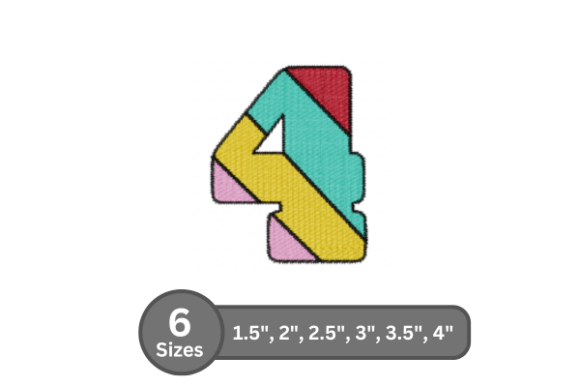
As an experienced embroidery designer focused on commercial applications, I approach every new machine embroidery design with a critical eye toward production viability and brand alignment. When evaluating the Candy Stripe Number -4 for small business merchandise, my primary concern is not just aesthetic appeal, but how this digitized font performs under the needle in real-world scenarios. This fill stitch embroidery font was carefully digitized for smooth stitching and professional results, making it a strong contender for businesses seeking to elevate their branded assets. Designed for embroidery machines, this font is perfect for personalizing clothing, bags, and towels, but its utility extends far beyond simple monogramming into the realm of strategic brand identity.
Visual Personality and First Impressions
Upon loading the embroidery file, the immediate impression of Candy Stripe Number -4 is one of approachable professionalism. The "candy stripe" nomenclature suggests a playful or youthful energy, yet the fill stitch construction provides the structural integrity necessary for commercial goods. It strikes a balance between whimsical and legible, avoiding the overly ornate pitfalls that often plague decorative fonts in production environments. For a creative studio, bakery, florist, or pet brand, this visual tone communicates warmth without sacrificing clarity.
The digitization appears optimized for clean registration. In my review, the transition points between stripes maintain consistent density, which is crucial when scaling numbers for different applications. Unlike satin-stitch novelty fonts that can become unstable at larger sizes or too thin at smaller scales, this fill stitch foundation offers versatility. It feels modern and handmade simultaneously, making it ideal for Etsy sellers and boutique owners who need their finished product to look artisanal rather than mass-produced.
Performance in Small Business Merchandise
For small business owners and apparel decorators, the true test of any design asset is its adaptability across various merchandise types. Candy Stripe Number -4 shows significant promise for several key commercial applications:
- Apron Embroidery: For cafés and bakeries, numbering aprons helps customers identify staff or creates a sense of established heritage. The fill stitch texture holds up well against the frequent washing and heavy wear typical of hospitality uniforms.
- Tote Bag Design: Canvas tote bags are staples for markets and retail. This font’s bold structure ensures readability from a distance, turning customer carry-alls into effective mobile advertising.
- Custom Apparel Accents: Whether used as a sleeve detail on work shirts or a chest logo accent on polos, the number adds a personalized touch that enhances perceived value without overwhelming the garment.
- Event Merch and Gifts: For workshops, pop-ups, or limited-edition drops, using distinct numbering creates collectibility. Customers appreciate the specificity of a numbered item, increasing engagement and sales conversion.
In each of these contexts, the design serves a functional branding purpose. It transforms generic blanks into proprietary small business merch that reinforces recognition and trust.
Creating Branded Patches and Labels
One of the most valuable applications for Candy Stripe Number -4 is in creating custom embroidered patch sets or woven-style labels. Because fill stitches create a textured surface similar to weaving, this font mimics the look of high-end vintage patches. For a handmade product brand, adding a numbered patch to packaging or directly onto garments signals attention to detail. However, designers must verify the minimum size requirements before committing to patch production. While the digitization is smooth, intricate stripe details may merge if scaled below the recommended threshold. Always confirm the specific sizing guidelines provided with the digital embroidery file to ensure crisp edges on patch borders.
Technical Considerations and Production Safety
While Candy Stripe Number -4 is digitized for professional results, successful commercial embroidery requires respecting technical limitations. There are specific scenarios where this design demands careful handling:
Fabric Texture and Stabilizer Selection
Fill stitches rely heavily on proper stabilization. On textured fabrics like terry cloth towels or pique knits, the candy stripe pattern can get lost or distort without adequate backing. I recommend testing with a cutaway stabilizer for stretchy materials and a tear-away for stable wovens. The interaction between fabric texture and stitch density is paramount; if the fabric is too plush, consider adding a water-soluble topping to keep the stripe definition sharp.
Cap Embroidery and Curved Surfaces
Using this font for cap embroidery requires caution. The flat nature of fill stitch digits does not always compensate automatically for the curvature of a hat front. Before running production on caps, test the placement and potentially adjust the hoop size or use a specialized cap frame to prevent flagging. If the stripes run horizontally across the curve, distortion is more likely than with vertical elements. Always run a sew-out on the exact cap style intended for sale.
Thread Colors and Contrast
The visual impact of a striped fill depends entirely on thread colors. Low contrast combinations (e.g., navy thread on black fabric) will cause the stripe detail to vanish, rendering the number illegible. For dark uniforms or merchandise, ensure high contrast or utilize a light-colored outline to define the shape. Conversely, on white goods, darker threads provide the necessary definition. Remember that thread sheen affects perception; rayon offers vibrant shine suitable for boutique items, while polyester provides durability for workwear and frequent laundering.
Strategic Brand Impact and Value
Integrating Candy Stripe Number -4 into your product line is more than a decorative choice; it is a strategic decision affecting customer perception. Consistent use of this specific typography across design assets builds visual cohesion. When a customer sees the same distinctive numbering style on your staff aprons, product tags, and promotional totes, it reinforces brand recall.
Furthermore, the quality of the embroidery directly correlates to perceived product value. A poorly executed number suggests negligence, whereas the smooth stitching of this professionally digitized font implies craftsmanship. For handmade brands and Etsy sellers, this distinction justifies premium pricing. The font’s friendly yet structured aesthetic bridges the gap between accessibility and expertise, fostering buyer engagement through tangible quality markers.
Designer Notes for Commercial Implementation
To maximize success with Candy Stripe Number -4 in a business setting, adhere to these practical protocols before full-scale production:
- Test in Black and White: Before introducing color variables, sew a sample in high-contrast black and white. This reveals the true clarity of the digitization and stripe spacing without color distraction.
- Verify Hoop Size Compatibility: Ensure your machine’s hoop size accommodates the maximum desired scale of the number plus adequate margin for stabilization. Check the file metadata for exact dimensions.
- Create a Printable Mockup: Use software to generate a printable mockup for client approval or internal review. This saves time and thread by confirming placement and scale visually before stitching.
- Inspect Spacing and Kerning: If combining this number with other text or logos, manually check the spacing. Automated kerning in embroidery software often needs adjustment for fill stitch fonts to prevent gaps or overlaps.
- Confirm Licensing: Crucially, verify the commercial licensing terms included with the purchase. Ensure you have the rights to use the font on merchandise for sale, not just personal projects.
- Compare Beside Other Assets: Place a sew-out of Candy Stripe Number -4 next to your existing logo and branding materials. Ensure the weight and style complement rather than clash with your current visual identity.
By treating Candy Stripe Number -4 as a professional tool rather than mere decoration, small businesses can leverage its unique characteristics to create merchandise that is both beautiful and commercially viable. Whether for school spirit wear, boutique branding, or service industry uniforms, this design offers a reliable foundation for distinctive, high-quality embroidery.